

Balance and spatial orientation are crucial for daily working, and when the vestibular program is influenced, it could cause dizziness , disorientation, and difficulty maintaining stability. Care for vertigo treatment doctor is essential for fixing balance and increasing quality of life. These conditions may considerably influence freedom, but with appropriate analysis and structured treatment techniques, people can achieve effective healing and long-term symptom control.
What Are Vestibular Disorders And How Do They Affect The Body?
Vestibular disorders refer to conditions that affect the inner head and head methods responsible for balance and spatial awareness. The vestibular program operates carefully with perspective and physical input from muscles and bones to keep up equilibrium. When this method is disrupted, persons might knowledge vertigo , dizziness , unsteadiness, blurred vision, or difficulty concentrating. These symptoms may differ in strength and may occur suddenly or persist around time.
What Causes Vestibular Disorders ?
There are numerous factors behind vestibular dysfunction. Common inner head conditions contain benign paroxysmal positional vertigo (BPPV), Meniere's condition, and vestibular neuritis. Viral attacks, head incidents, aging, and neurological conditions may also subscribe to balance issues. Sometimes, migraines or medication unwanted effects might trigger vestibular symptoms. Understanding the underlying cause is vital for selecting the most appropriate treatment approach.
How Are Vestibular Disorders Diagnosed?
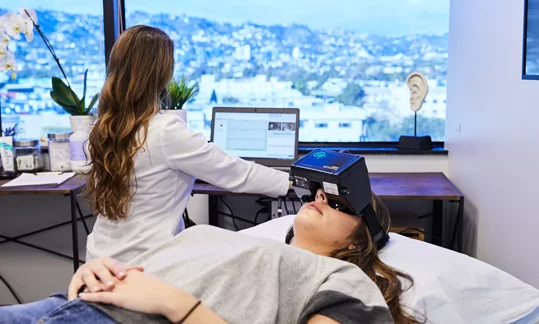
Analysis involves a thorough evaluation of symptoms, medical history, and specific balance testing. Healthcare experts might conduct experiencing tests, vision action analysis, and positional maneuvers to evaluate vestibular function. In more complicated instances, imaging techniques such as for example MRI or CT runs works extremely well to rule out neurological causes. Appropriate examination assures that treatment is targeted and effective.
What Are The Many Successful Management Techniques?
Administration of vestibular disorders is dependent upon the main condition. For BPPV, repositioning techniques like the Epley control might help recover balance by fixing internal head crystal displacement. Medicines may be used to control sickness, dizziness , or infection all through intense episodes.
Vestibular rehabilitation therapy is one of the very best long-term strategies. It involves organized workouts that support mental performance adapt to balance improvements and improve coordination. These exercises may include head movements, look stabilization, and balance training. With consistent practice, patients usually knowledge reduced dizziness and increased stability.
How Does Vestibular Rehabilitation Help Recovery?
Vestibular rehabilitation functions by retraining the mind to pay for internal ear dysfunction. Through recurring exercises, the anxious process becomes more efficient at processing balance signals. This version assists lower sensitivity to motion and reduces the volume of dizziness episodes. As time passes, individuals restore confidence in movement and boost their overall physical stability.
Why Is Early Treatment Essential For Vestibular Disorders ?
Early treatment is key to preventing indicators from worsening and reducing the chance of comes or injuries. Delayed treatment can result in chronic imbalance, nervousness, and paid off everyday activity. Seeking medical attention early enables for quicker diagnosis and more efficient administration strategies. In addition it helps recognize any significant main conditions that could need specialized care.
What Is The Future Of Vestibular Disorder Treatment ?
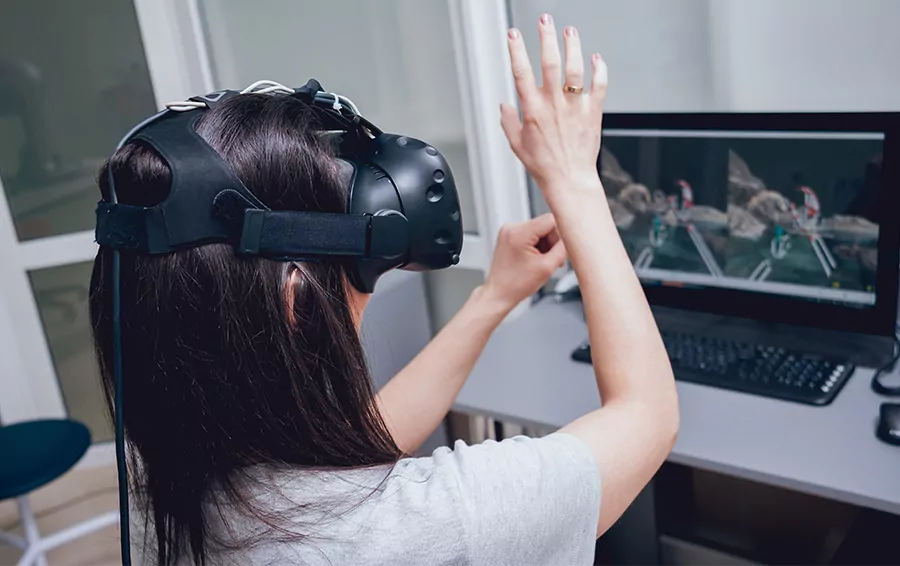
Improvements in medical technology are increasing how vestibular disorders are identified and treated. New instruments such as for instance electronic balance assessments, electronic reality rehabilitation, and AI-based diagnostic programs are increasing accuracy and healing outcomes. Potential solutions are anticipated to be more individualized, targeting specific dysfunctions within the vestibular system. As research continues, recovery methods will become more successful, supporting patients achieve quicker and more total restoration of balance.